
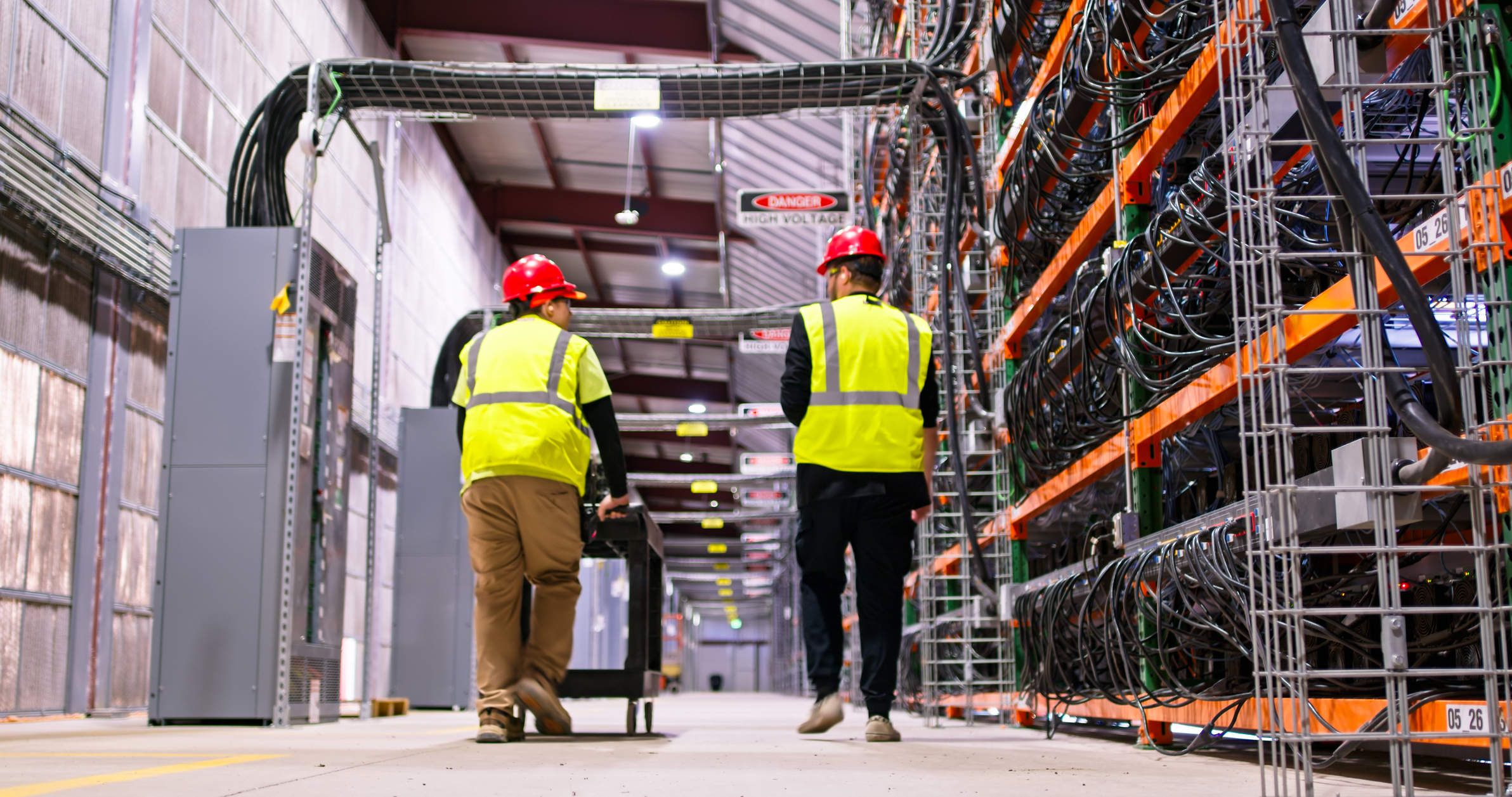
Data centers are being built faster than ever, and it’s an exciting time to be in this industry. That pace also puts pressure on everyone in the supply chain, from the manufacturers building the equipment to the crews installing it.
As a Project Manager at CYMCOR and a licensed master electrician, I’ve spent years installing equipment before moving into quality and project management. Anyone who has been part of an installation has seen how the equipment is assembled, how it’s connected, how it’s grounded, and where the bolts are supposed to be torqued. A walkthrough of a finished building may not reveal those same details.
Here are five lessons from the field on protecting quality, safety and schedule before anything gets energized.
Lesson 1: Factory QC Is a Starting Point, Not the Finish Line
Manufacturers are working hard to keep up with record demand, and most equipment arrives in good shape. But when production lines are running at this pace, things can slip through. Field teams have seen equipment arrive with connections that weren’t torqued down properly, and with extra components installed at the factory that created grounding issues.
Grounding is one of the biggest topics in the electrical code for a reason. If it’s wrong, the equipment may look fine sitting there, but once it’s energized, someone touching an enclosure could be exposed to a potential shock hazard.
In some of these cases, the factory documentation said the equipment had passed its quality checks. The paperwork is important, but it isn’t the same as putting eyes on the actual connections. Factory QC is one layer of assurance. Field verification is the layer that confirms what’s installed.
Lesson 2: Shipping and Setting Equipment Can Change Things
A lot of the electrical equipment on today’s data center projects is prefabricated in large enclosures and shipped to site. That saves time, but it also means the equipment may travel hundreds of miles down the highway, bouncing the whole way, before it’s lifted and set into place by a crane.
Along the way, connections can work loose and parts can get damaged. Enclosures can take a hit during a crane lift, and damaged equipment can’t be energized until that damage is evaluated and repaired.
That’s why receiving inspections matter. When equipment arrives, someone should re-verify the critical checks that were done at the factory, especially torque on bolted connections, and document what they found. It should be a standard part of the process for anything that ships to site.
Lesson 3: Catch It Early. It’s Cheaper and Safer.
A loose bolt found during an inspection takes a few minutes and a torque wrench to fix. The same loose bolt found after the equipment is energized is a different story.
On one recent project, a connection inside a piece of equipment hadn’t been tightened down at the factory. Over time, heat built up at that connection until it caused an arc. When the team opened it up, there were charred marks on the copper bus right where the bolt should have been secured.
The team responded right away. They paused energization, evaluated what happened and swept every similar piece of equipment on site. That sweep turned up more connections that needed attention, so the team pulled in resources, re-torqued, retested and replaced damaged parts. Because they moved quickly, the schedule held.
When issues are found late, the costs add up fast:
- Work stops while the problem is investigated
- Specialized crews must be brought in
- Equipment must be retested, and sometimes replaced
- Components like breakers can cost thousands of dollars each and may have long lead times
Lesson 4: Documentation Protects Everyone
Most projects already have good checks and balances in place. The key is making sure each check is performed and properly documented, every time.
When inspections are recorded, the whole team knows exactly what was checked, when and by whom. You can go back to the records, pinpoint where the gap was and fix it quickly. Good documentation gives everyone confidence in the work.
Lesson 5: Share Lessons Across Teams
On multi-building campuses, one of the best quality tools available is the building next door. The teams further along have already hit their speed bumps. When a building finds an issue, that knowledge can be built into the next building’s inspections. Knowing what to look for helps teams catch deficiencies early.
The industry’s rapid growth has also brought in many professionals from other sectors. I came to data centers from semiconductor construction, and while the electrical work is much the same, data centers have a lot of different moving parts. Many people in the industry are learning, and the best thing anyone can do is find the people who have done it before and learn from them.
Closing Thought
Quality doesn’t happen by accident. It comes from people in the field who know what to look for, and from processes that are properly executed.
The data center industry is growing fast, and that’s good news for everyone in it. As schedules keep tightening, the projects that stay safe and on track will be the ones that verify quality in the field, document the work and keep sharing what they learn.
About the Author
Miguel Vargas is a Field Project Manager at CYMCOR and a licensed master electrician. He started in the trade at 18 as an apprentice, following his father, uncle and brothers into the electrical field. Miguel built his career in commercial and semiconductor construction, working on both the contractor and owner sides, and later led a quality program before joining CYMCOR.
Today, Miguel supports the field execution of mission-critical projects, working closely with the general contractor and tenant to keep construction activities aligned with project requirements and tenant expectations. His role involves reviewing installation quality, tracking field issues through resolution, and coordinating with construction and commissioning teams as systems move toward energization and turnover. His hands-on electrical background allows him to connect technical details in the field with their impact on safety, quality and schedule.
